
Smart Machine Optimization: Future Trends in Heavy Machinery
JM
Introduction to Smart Machine Optimization
As the heavy machinery industry continues to evolve, the integration of smart technologies is becoming increasingly crucial. Smart Machine Optimization (SMO) is at the forefront of this transformation, offering enhanced efficiency, reduced downtime, and improved safety.
By leveraging advanced technologies such as IoT, AI, and machine learning, heavy machinery can now operate more intelligently and autonomously than ever before. This shift not only optimizes performance but also drives sustainability and cost-effectiveness.
The Role of IoT in Heavy Machinery
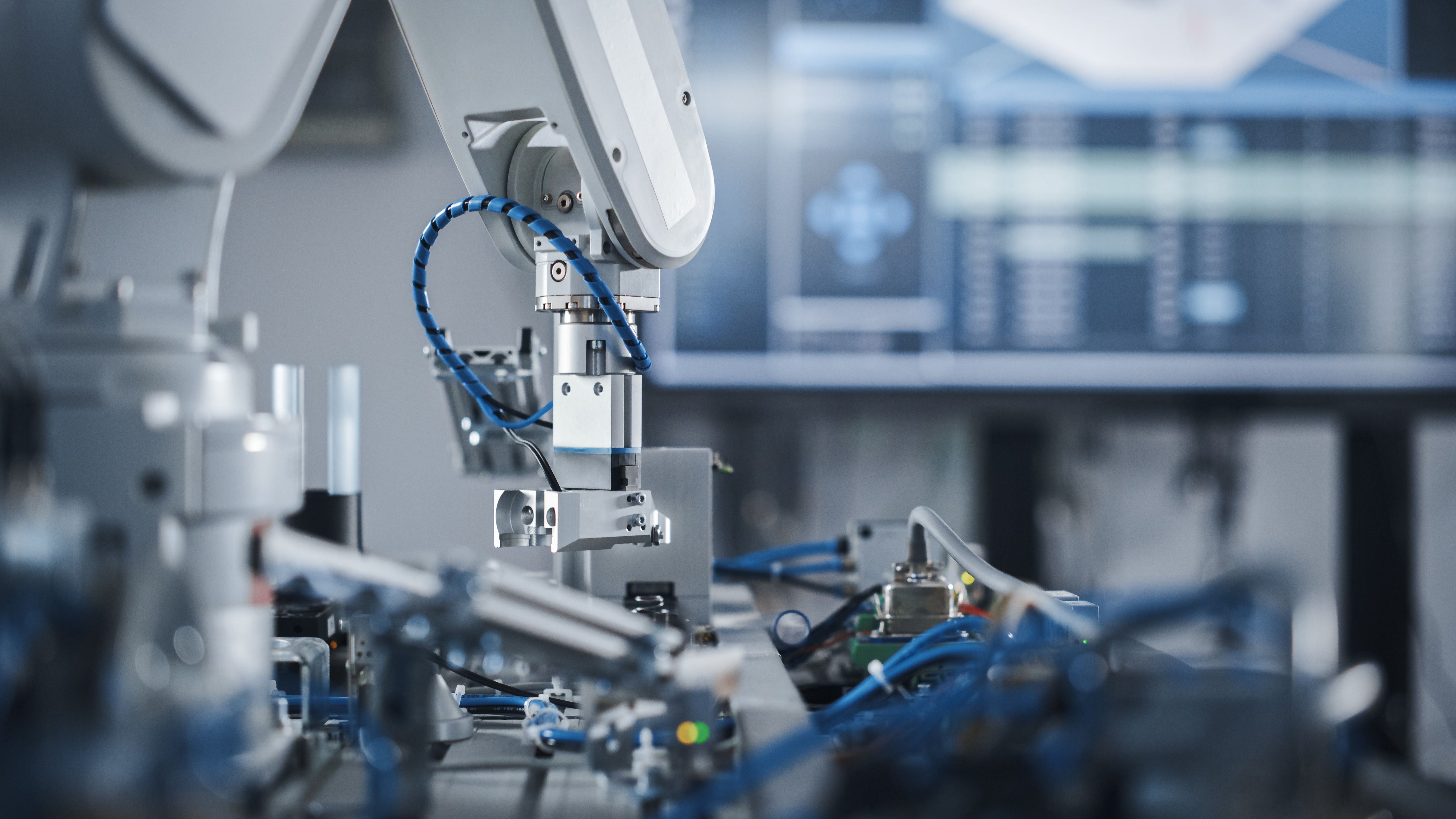
The Internet of Things (IoT) is playing a pivotal role in the optimization of heavy machinery. By connecting machines to the internet, operators can monitor and control equipment remotely. This connectivity allows for real-time data collection and analysis, leading to more informed decision-making.
Moreover, IoT enables predictive maintenance, significantly reducing unexpected breakdowns. Machines can now alert operators to potential issues before they become serious, ensuring continuous operation and minimizing repair costs.

Artificial Intelligence and Machine Learning
Artificial Intelligence (AI) and Machine Learning (ML) are transforming how heavy machinery operates. These technologies allow for the automation of complex tasks, reducing human error and increasing productivity.
By analyzing large datasets, AI can optimize machine performance and predict equipment failures. This predictive capability ensures that machinery is always operating at peak efficiency, reducing downtime and extending the lifespan of equipment.

Enhanced Safety Measures
Safety is a paramount concern in the heavy machinery industry. Smart Machine Optimization enhances safety protocols by leveraging advanced sensors and cameras. These technologies can detect hazards and prevent accidents through automated shutdowns or alerts.
Furthermore, AI-driven analytics can identify potential safety risks and recommend adjustments to operations, ensuring a safer working environment for all employees.
Sustainability Through Optimization
Smart Machine Optimization also contributes to sustainability efforts in the industry. By optimizing fuel consumption and reducing emissions, these technologies help in minimizing the environmental impact of heavy machinery.
Additionally, efficient resource management and waste reduction are achieved through precise control and monitoring of machine operations. This leads to more sustainable practices and a smaller carbon footprint.

The Future of Smart Machine Optimization
As technology continues to advance, the potential for Smart Machine Optimization in heavy machinery is vast. Future trends include the integration of more sophisticated AI algorithms and the adoption of 5G connectivity for faster data transmission.
The development of fully autonomous machinery is also on the horizon, promising even greater efficiency and productivity. These innovations will continue to shape the industry, driving progress and setting new standards.
In conclusion, Smart Machine Optimization represents a significant leap forward for the heavy machinery industry. By embracing these technologies, companies can achieve unprecedented levels of efficiency, safety, and sustainability.